Planning a trip across the United States is exciting. But finding the right place to stay can be tough. Many look for cheap hotels near me to save money without losing comfort. The good news is, you can find high-quality lodging without breaking the bank.
Successful budget-friendly travel means knowing where to look and what to prioritize. A reliable US travel guide helps find affordable accommodation that’s clean and safe. By taking these steps, your next vacation will be stress-free and fun. You’ll get a good night’s sleep that fits your budget.
Key Takeaways
- Prioritize safety and cleanliness when selecting low-cost lodging options.
- Use a trusted US travel guide to verify property ratings and reviews.
- Book your stay in advance to secure the best possible rates.
- Look for amenities that add value, such as free breakfast or parking.
- Balance your budget by choosing locations that offer easy access to local attractions.
Mastering the Search for Cheap Hotels Near Me
Today’s technology makes finding cheap hotels near you easy. To start your travel planning right, learn to spot good deals. By using these hotel booking tips, you can quickly find cheap hotels near me that are reliable.
Utilizing Geolocation Tools Effectively
Most booking sites use your location to show nearby hotels. This is super helpful for last-minute stays. Just remember to allow location access.
Always use the map view to compare prices. It shows you the best deals in different areas. You might find great deals near pricey tourist spots.
Filtering Results for Quality and Safety
After finding hotels, use filters to narrow your search. Look for a minimum guest rating of 4.0 or higher. This ensures you’re choosing reputable establishments.
Also, focus on safety features like 24-hour front desk or secure parking. Adjusting these filters saves you time. This way, you’ll find a hotel that’s both affordable and safe.
Verifying Cleanliness Standards Before You Book
Smart hotel booking is more than just finding the cheapest option. It’s about checking how clean the place is. When looking for an affordable accommodation, your health should be your main concern. Spending a bit more time researching can help avoid stress during your trip.
Analyzing Recent Guest Reviews for Hygiene Mentions
Reviews from other guests are often the most honest about hotel cleanliness. Look at recent reviews on sites like TripAdvisor or Google Maps. Check what people say about the rooms, especially about dust, linens, and bathroom cleanliness.
If many guests mention the same problems, it’s a warning sign to stay away. On the other hand, if lots of people praise the housekeeping, it shows the hotel cares about cleanliness. Always filter reviews by date to get the latest info.
Checking Official Hotel Brand Sanitation Protocols
Big hotel chains usually post their cleaning rules on their websites. These details tell you how often rooms are deep cleaned and what disinfectants are used. Looking at these rules can give you peace of mind that the hotel follows strict standards.
The table below shows how different ways to check help keep you healthy during your stay:
| Verification Method | Primary Benefit | Reliability Level |
|---|---|---|
| Guest Reviews | Real-time experiences | High |
| Brand Websites | Official policy details | Very High |
| Third-Party Ratings | Standardized scoring | Moderate |
By using these methods, you can book a room that meets your standards. Spending time on these checks is key to a smart hotel booking. Making cleanliness a priority ensures your trip is both comfortable and safe.
Assessing Safety and Neighborhood Security
Feeling safe is key when you travel. It’s great to find deals, but your safety comes first. Researching your destination can make your stay comfortable and secure.
Researching Local Crime Statistics and Area Reputation
Look into the neighborhood before booking. Use online tools like crime maps and forums. Understanding the local environment helps you avoid surprises.
Here are some tips for reliable info:
- Check local news for recent reports in the zip code.
- Use AreaVibes for safety scores and ratings.
- Read reviews about the area’s walkability and safety at night.
Putting travel safety first lets you enjoy your trip. If a neighborhood seems off, choose a safer area.
Evaluating On-Site Security Features and Lighting
After checking the neighborhood, examine the hotel. Look for visible security and cleanliness. A secure hotel shows it cares about your safety.
Key security features to look for:
- Well-lit parking lots: Good lighting keeps unwanted activity away.
- Secure building access: Hotels with key card access after dark are safer.
- Staff presence: A 24-hour front desk offers extra help and watch.
Adding these checks to your travel planning helps save money and keeps you safe. Focus on hotel cleanliness and security for a worry-free trip. Always trust your gut; if a hotel doesn’t feel right, there are other options.
Leveraging Travel Apps and Comparison Engines
Smart travelers use the right tools to find affordable lodging. By using comparison engines and mobile apps, you can get the absolute best rate for your stay. Learning these hotel booking tips can stretch your travel budget like never before.
Comparing Prices Across Booking.com and Expedia
Platforms like Booking.com and Expedia are key for travelers. They list the same places but with different prices or discounts. A quick hotel price comparison can show big savings.
Always check both sites before booking. Sometimes, one offers a hidden discount or a special package. Taking a few minutes to compare can save you money.
Setting Up Price Alerts for Last-Minute Deals
If your travel dates are flexible, use automated tracking. Most travel apps let you set up price alerts for cities or hotels. You’ll get a notification when prices drop, which is a game-changer for last-minute hotel deals.
These alerts save you from constantly checking websites. With real-time updates, you can grab sudden price drops. This smart move is key for saving money while traveling.
Taking Advantage of Loyalty Programs and Memberships
Smart travelers use exclusive memberships to get rates others don’t see. This turns discount travel into a regular thing, not just a lucky find. These programs help you save money while still enjoying comfort.
Maximizing AAA and AARP Discount Benefits
AAA and AARP offer more than just help with cars or retirement. They give exclusive access to lower rates at thousands of places in the U.S. Always check if your membership gets you a discount when booking.
“The best way to save on travel is to leverage the memberships you already pay for, as they often unlock hidden value in every booking.”
To get the most out of these benefits, keep these tips in mind:
- Always present your membership card at check-in to verify your discount.
- Check the specific hotel brand website directly, as they often have dedicated portals for members.
- Combine these discounts with other promotional offers whenever the hotel policy allows.
Utilizing Credit Card Travel Portals for Rewards
Modern hotel loyalty programs tie to your credit card spending. Many major banks offer travel portals where you can use points for free nights or upgrades. This is a key part of smart hotel booking, stretching your travel budget.
If you have a travel-focused credit card, log in to your account portal before booking. You might find your points cover the whole cost of your stay. Consistency is key; by using your rewards card for daily expenses, you can earn enough points for a luxury trip without spending extra.
Timing Your Booking for Maximum Savings
Booking at the right time can save you a lot of money. By watching the calendar, you can dodge high prices. This way, you can spend more on fun and food.
Understanding Mid-Week Versus Weekend Pricing Trends
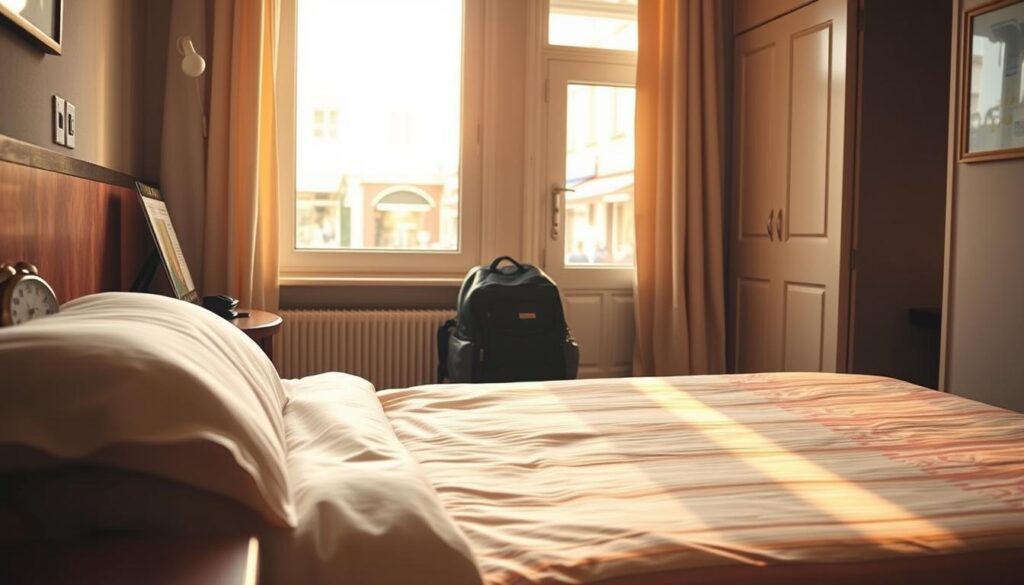
Hotel prices change a lot depending on the day. Business travelers fill rooms from Monday to Thursday. But, on weekends, it’s mostly tourists.
In tourist cities, mid-week stays are often cheaper. Hotels want to fill rooms on Tuesday and Wednesday nights.
Identifying Off-Peak Seasons in Popular US Destinations
Every place has its own busy and quiet times. Knowing when it’s quiet can save you money. Visiting during the shoulder season means lower prices and fewer people.
Some people look for last-minute hotel deals. But, planning for off-peak months is safer. Here’s a guide to help you pick the best time for your trip.
| Travel Factor | High Season | Off-Peak Season |
|---|---|---|
| Pricing | Premium Rates | Discounted Rates |
| Availability | Limited | High |
| Best Booking Time | 3-6 Months Ahead | 2-4 Weeks Ahead |
| Crowd Levels | Very High | Low |
Traveling at the right time can stretch your budget. Consistency in planning means better trips and more savings over time.
Negotiating Rates and Asking for Upgrades
Learning to negotiate can save you a lot on your next trip. Many people think the price on websites is set, but hotels can often adjust it. Using discount travel tips can help you get more for your money and make your trip better.
Communicating Directly with Front Desk Staff
Calling the hotel directly can save you money because you avoid extra fees. Talking to a manager or front desk staff can uncover special deals. Being polite and professional can help you get perks like a room upgrade or late check-out.
Telling the hotel about a special occasion, like an anniversary or birthday, can get you even better service. Hotels like to celebrate these moments with their guests. Building a good relationship with the staff can benefit both you and them.
Requesting Better Rates for Extended Stays
Booking a long stay gives you more power to negotiate. Hotels want to keep long-term guests happy and often offer lower rates. Ask for a “long-stay” rate when you book over the phone.
Here’s a comparison of booking methods to show the benefits of direct negotiation:
| Booking Method | Negotiation Potential | Typical Outcome |
|---|---|---|
| Third-Party App | Low | Standard Rate |
| Direct Website | Medium | Member Discount |
| Direct Phone Call | High | Custom Rate or Upgrade |
By calling the hotel directly, you can get a better deal. This approach makes your booking more personalized and budget-friendly. Remember these tips to get the best deal for your next stay.
Avoiding Hidden Fees That Inflate Your Bill
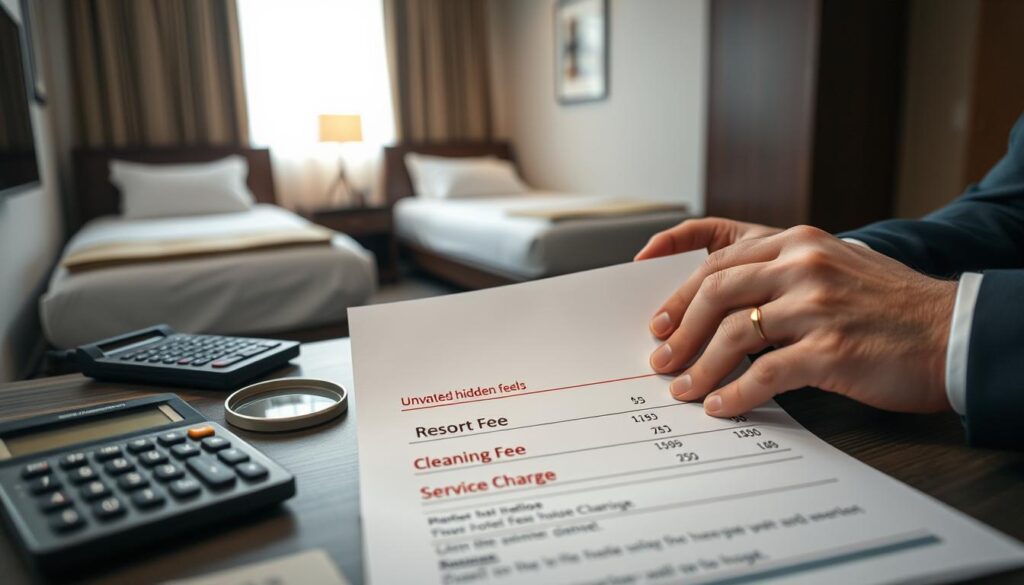
Savvy travelers know that the room rate you see first isn’t always what you pay. It’s essential to check the fine print to keep your vacation budget in check. By taking a few extra minutes, you can avoid hidden hotel fees that often surprise guests.
Identifying Resort Fees and Parking Surcharges
Many hotels now include mandatory costs in what they call “resort fees.” These fees cover things like pool access, fitness centers, or high-speed internet, even if you don’t use them. Always check the final payment screen to see if these daily surcharges are added to your base rate.
Parking costs can quickly add up, especially in big cities. Daily garage fees can significantly increase your total. Before you book, consider these steps:
- Check the hotel website for transparent parking rates.
- Look for nearby public parking garages that might offer cheaper daily options.
- Verify if your booking platform includes these fees in the “taxes and fees” breakdown.
Clarifying Pet Policies and Extra Guest Charges
Traveling with pets or extra family members can lead to unexpected costs. Many hotels charge a non-refundable pet cleaning fee or a daily pet rent that’s not always clear upfront. Always call the front desk directly to confirm the total cost for your specific dates.
Adding an extra guest to a room can also lead to extra fees. You should clarify these policies before booking to avoid surprises at the front desk. Using Hotel loyalty programs can sometimes help you avoid these extra fees or get member-only rates with perks like free parking or waived resort charges.
Being proactive about these expenses lets you enjoy your trip without worrying about a big bill. Remember, knowing the facts is your best way to avoid hidden hotel fees and keep your travel plans affordable.
Conclusion
Finding the right place to stay is all about being prepared and making smart choices. You now have the tools to book your stay with confidence.
Travel safety is key when exploring the United States. Check the area’s reputation and make sure places are clean. This keeps you worry-free during your stay.
Staying away from hidden hotel fees is easy. Just check your bill before you book. Look for clear costs on websites of big brands like Marriott or Hilton. This way, you can save money.
Keep this travel guide with you for all your trips. It’s your go-to for finding great rooms at good prices. Start planning your next adventure with these easy tips.
Don’t forget to share your booking tips with others. Help them save money and have a better trip. We wish you safe, comfortable, and memorable travels ahead.